
Interior and Exterior Painting for Residential Spaces
Imagine walking into a room that instantly feels fresh, vibrant, and welcoming. The walls, once dull and tired, now boast colors that reflect personality and style. Outside, the house’s facade shines with renewed energy, making it the standout on the block. That’s the power of well-done interior and exterior painting.
Choosing the Right Paint for Your Home
Understanding Paint Types
Not all paints are created equal. When it comes to residential painting, the choice depends heavily on where the paint will be applied. Interior paints are formulated to withstand scrubbing and resist stains, while exterior paints are designed to endure harsh weather conditions like rain, sun, and temperature swings. Additionally, understanding the specific environment of each room can further guide your selection. For instance, high-humidity areas such as bathrooms may benefit from mildew-resistant formulas, ensuring that the paint not only looks great but also lasts longer in challenging conditions.
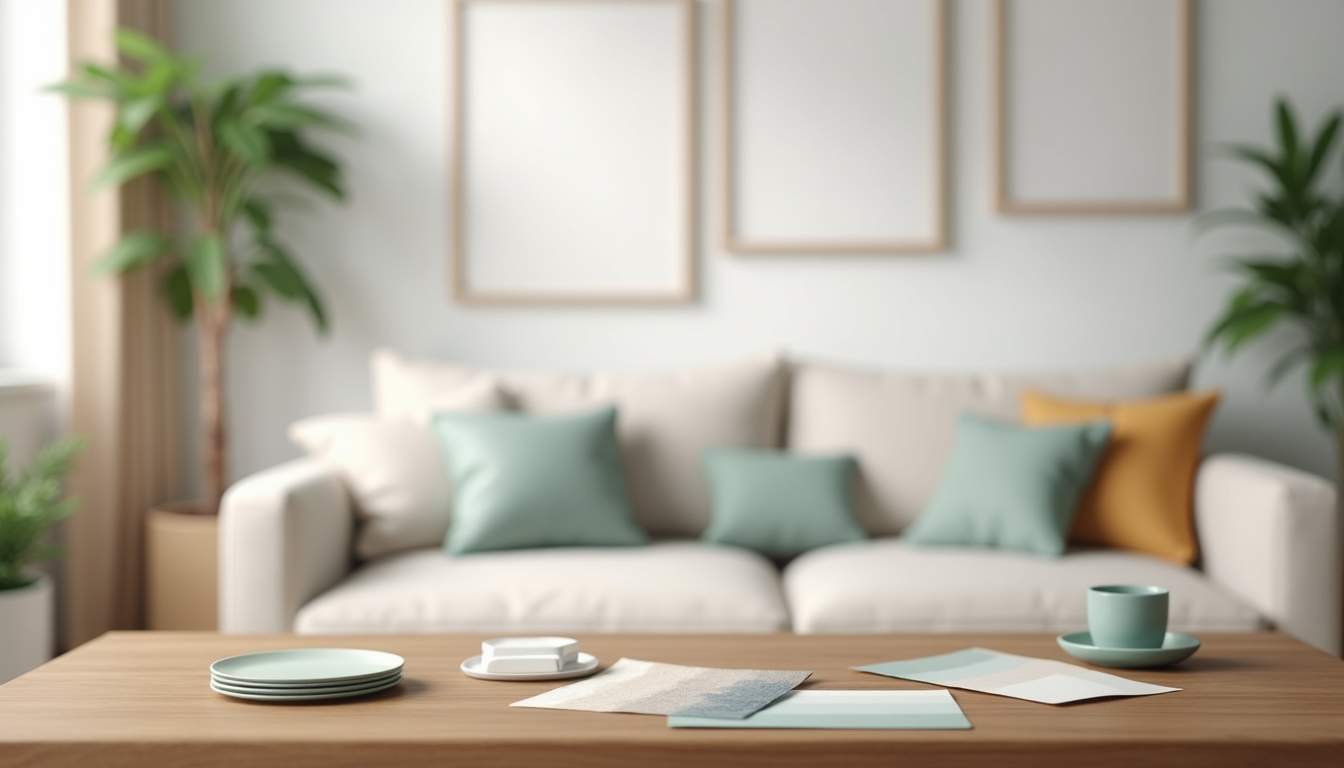
Latex-based paints are the most popular for both interior and exterior use because they dry quickly, have low odor, and clean up easily with water. Oil-based paints, though less common now, still have a place when a hard, durable finish is needed, especially on trim and doors. When choosing between these options, consider the application method as well; latex paints can be applied with a brush or roller, while oil-based paints may require more careful application to avoid drips and streaks. Furthermore, the drying time differs significantly, with oil-based paints taking longer to cure, which can impact project timelines.
Finish Matters
Glossy paints reflect more light and are easier to clean, making them ideal for kitchens, bathrooms, and trim. Matte or flat finishes hide imperfections better and are often used in living rooms and bedrooms where a softer look is preferred. Satin and eggshell finishes strike a balance, offering some sheen and durability without being overly shiny. It’s also worth noting that the finish can affect the color perception; a glossy finish can make colors appear brighter and more vibrant, while a matte finish can soften the hue, creating a more muted ambiance.
When selecting a finish, consider the lifestyle of your household as well. Families with young children or pets may opt for more durable finishes that can withstand wear and tear, while those looking for a sophisticated look for entertaining spaces might lean towards matte or eggshell finishes to create an inviting atmosphere. Additionally, experimenting with different finishes on sample boards can provide a clearer picture of how each option will look in your home’s lighting, helping you make a more informed decision that aligns with your aesthetic vision. For professional guidance and expert application, painting services Singapore offered by Handyman Services Singapore can help ensure a flawless and long-lasting result.
Preparing Surfaces for a Flawless Finish
Interior Surface Preparation
Preparation is the secret behind a long-lasting paint job. Inside the home, this means cleaning walls to remove dirt and grease, filling holes and cracks with spackle, and sanding rough spots smooth. Removing outlet covers, light switch plates, and any wall fixtures ensures paint goes on evenly without drips or missed spots.
Priming is often overlooked but essential, especially when painting over dark colors, stains, or raw drywall. A good primer seals the surface and helps the paint adhere better, which means fewer coats and a more uniform finish. Additionally, using a tinted primer can enhance the vibrancy of the topcoat, especially when transitioning from a dark to a lighter color. This step not only saves time and paint but also ensures that the final color appears as intended, without the risk of unsightly patches or uneven tones.
Consider the lighting in the room as well; different times of day can reveal imperfections that may not be visible under artificial light. Taking the time to inspect the surface in natural light can help identify areas that may need extra attention, ensuring a truly flawless finish. Furthermore, using a high-quality paintbrush or roller suited for the specific texture of your walls can make a significant difference in the application process, leading to a smoother and more professional appearance.
Exterior Surface Preparation
Outside, preparation can be more involved. Power washing removes dirt, mildew, and old peeling paint. Scraping and sanding loose paint is necessary to prevent future peeling. Caulking gaps around windows, doors, and trim keeps moisture out and improves insulation. This step is crucial, as it not only protects your home from water damage but also enhances energy efficiency, reducing heating and cooling costs.
Wood surfaces may require repairs or replacement of rotten sections before painting. Metal surfaces need rust removal and priming with rust-inhibitive primers. Proper preparation not only improves the look but extends the life of the paint job. Additionally, applying a high-quality exterior paint that is designed to withstand the elements can further safeguard your home’s exterior. Consider the climate in your area; for instance, homes in humid regions may benefit from mildew-resistant formulas, while those in sunny areas might require UV-resistant paints to prevent fading.
Moreover, timing your exterior painting project is essential. Ideally, choose a dry, mild day for painting, as extreme temperatures or humidity can affect paint adhesion and drying times. Keeping an eye on the weather forecast can help you avoid unexpected rain or temperature drops that could compromise your hard work. Preparing your surfaces with diligence and care will not only enhance the aesthetic appeal of your home but also ensure that your paint job stands the test of time, protecting your investment for years to come.
Color Selection: Setting the Mood Inside and Out
Interior Color Psychology
Colors influence mood in subtle but powerful ways. Soft blues and greens create a calming atmosphere, perfect for bedrooms or bathrooms. Warm tones like reds, oranges, and yellows energize spaces such as kitchens and living rooms. Neutrals—grays, beiges, and whites—offer versatility and a timeless appeal.
Consider the natural light your rooms receive. North-facing rooms often benefit from warmer hues to counteract cooler daylight, while south-facing rooms can handle cooler shades. Testing paint samples on walls and observing them at different times of day helps avoid surprises. Additionally, the finish of the paint can also impact the overall effect; for instance, a glossy finish can reflect light, making a space feel brighter and more open, while a matte finish can absorb light, creating a more intimate and cozy environment.
Moreover, the psychology of color extends beyond mere aesthetics. Different colors can evoke specific emotions and associations. For example, yellow is often linked to happiness and creativity, making it an ideal choice for a home office or playroom. On the other hand, darker colors like deep purples or navy can instill a sense of luxury and sophistication, perfect for a formal dining room or study. Understanding these nuances can help you tailor your color choices to not only enhance the beauty of your space but also to foster the desired atmosphere for your daily life.
Exterior Color Choices
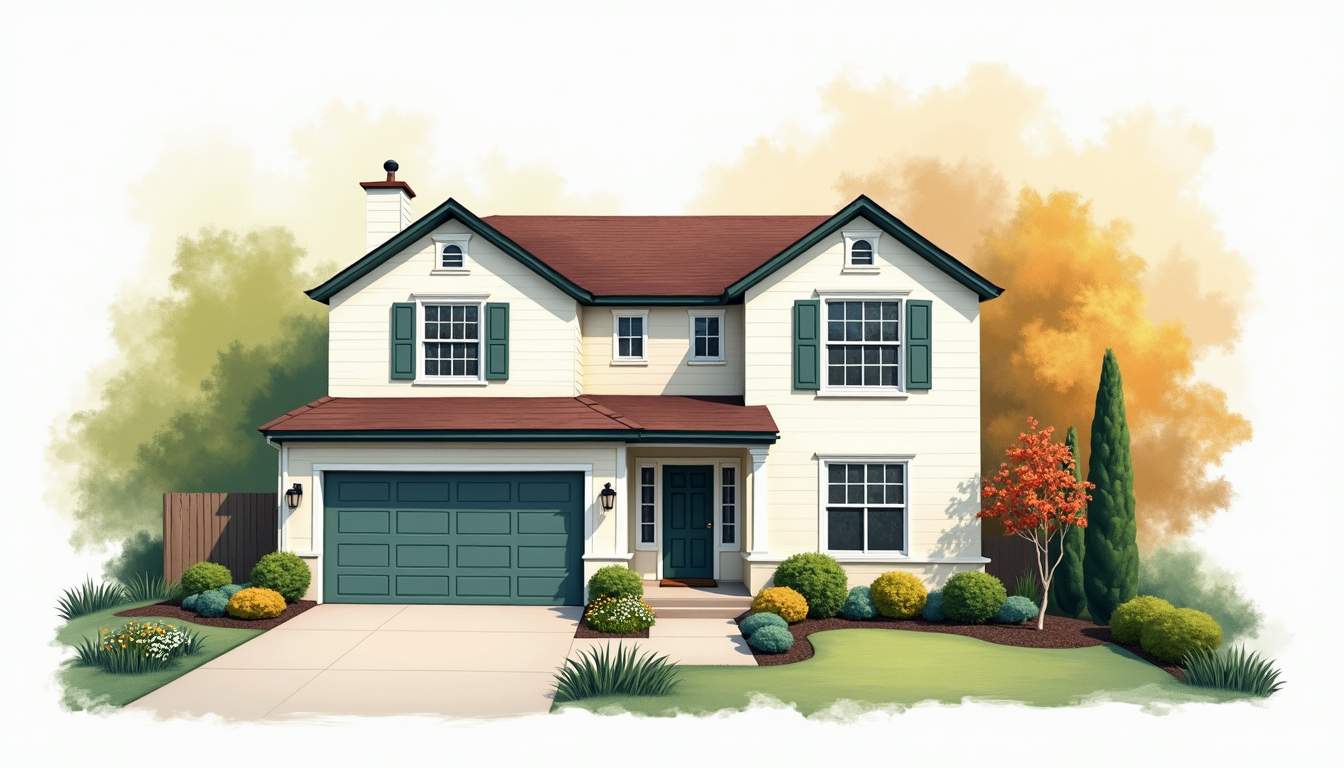
The exterior color palette sets the first impression of your home. Classic combinations like white trim with navy blue or soft gray siding create curb appeal that lasts. Earth tones blend naturally with landscaping, while bold colors can make a statement in the right neighborhood.
Keep in mind the architectural style of your home. Victorian houses often feature multiple colors highlighting intricate details, while modern designs lean toward monochromatic schemes. Neighborhood guidelines or homeowner association rules may also influence your choices. Additionally, consider the surrounding environment; colors that harmonize with the natural landscape can create a seamless transition between your home and its surroundings. For instance, a house nestled among lush greenery might benefit from softer, muted tones that echo the hues of nature, while a home near a beach could embrace vibrant blues and sandy beiges to reflect its coastal setting.
Furthermore, the choice of exterior color can also affect the energy efficiency of your home. Lighter colors tend to reflect sunlight, helping to keep your home cooler in warmer climates, while darker shades absorb heat, which can be advantageous in cooler regions. This practical consideration can lead to long-term savings on energy bills while also enhancing the aesthetic appeal of your property. Ultimately, the exterior color of your home is not just a matter of personal taste; it’s an opportunity to express your style while being mindful of environmental factors and community aesthetics.
DIY vs. Hiring Professionals
When to Consider DIY Painting
Painting can be a satisfying weekend project if the scope is manageable. Small rooms, accent walls, or touch-ups are great candidates for DIY. It saves money and allows for personal involvement in the transformation.
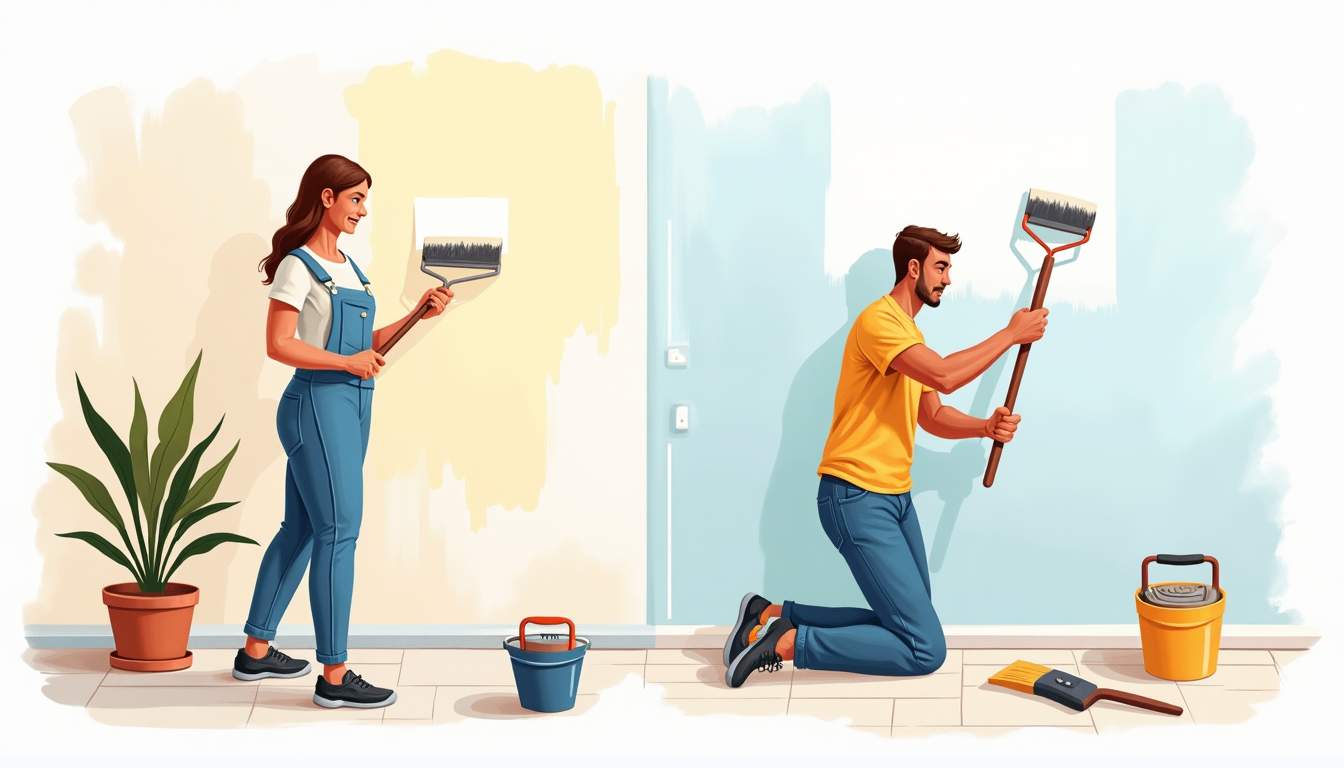
However, it requires time, patience, and some skill. Mistakes like uneven coverage, drips, or missed spots can be frustrating and costly to fix later. Proper tools-quality brushes, rollers, painter’s tape, and drop cloths-make a big difference in the outcome.
Benefits of Hiring Professionals
Professional painters bring experience and efficiency. They handle all aspects from preparation to cleanup, often completing jobs faster and with a higher quality finish. Their knowledge of materials and techniques ensures durability and adherence to safety standards.
For large projects, exterior painting, or intricate interior details like crown molding, professionals are a wise investment. They also carry insurance, protecting homeowners from liability in case of accidents.
Maintenance Tips to Keep Paint Looking Fresh
Interior Paint Care
Regular dusting and gentle cleaning keep walls bright. Use mild soap and water with a soft cloth for stains. Avoid abrasive cleaners that can damage paint. Touch up chips and scratches promptly to prevent peeling.
Controlling humidity with ventilation helps prevent mold and mildew, especially in bathrooms and kitchens. Using washable paints in high-traffic areas extends the life of your walls.
Exterior Paint Upkeep
Inspect your home’s exterior annually for signs of wear, such as cracking, peeling, or fading. Clean siding and trim to remove dirt and mildew. Trim back bushes and trees that rub against painted surfaces to avoid damage.
Repaint every 5 to 10 years depending on the paint quality, climate, and surface condition. Addressing issues early prevents costly repairs and maintains your home’s value.
Final Thoughts
Painting is more than just a cosmetic upgrade. It protects your home, enhances curb appeal, and creates a living space that feels truly yours. Whether refreshing a single room or transforming the entire exterior, thoughtful choices and proper techniques make all the difference.
Invest time in selecting colors that resonate with your lifestyle and prepare surfaces thoroughly. Decide whether a DIY approach fits your skills and schedule or if professionals are the better route. With the right care, a quality paint job can brighten your home for years to come.