
Is Spray Foam Worth the Investment for Homeowners?
Spray foam insulation is often worth the investment for homeowners seeking long-term energy efficiency, reduced utility bills, improved comfort, and better moisture control. While the initial installation cost is higher than traditional insulation methods, spray foam delivers significant returns over time through superior performance in sealing air leaks and reducing thermal bridging. Homeowners in both cold and warm climates can see energy savings of up to 50% depending on their home’s design and condition. For many, this translates to a full return on investment in five to seven years.
This guide offers a detailed, practical breakdown of spray foam’s pros, limitations, types, cost-effectiveness, and what to consider before making a decision. Whether you are building a new home or retrofitting an older one, understanding how spray foam fits into your insulation strategy is crucial.
Cost and Benefit Overview
Spray foam insulation is available in two main forms: open-cell and closed-cell. Both types offer excellent air sealing, but they differ significantly in density, thermal resistance, and cost. Compared to traditional fiberglass and cellulose insulation, spray foam has higher R-values per inch and longer lifespan, but comes at a premium price.
|
Feature |
Spray Foam Insulation |
Traditional Insulation (Fiberglass, Cellulose) |
|
Initial Installation Cost |
High ($1.00–$3.50/sq ft) |
Low to Medium ($0.50–$1.50/sq ft) |
|
Air Sealing Capability |
Excellent |
Poor to Moderate |
|
Moisture Barrier |
Yes (Closed-cell only) |
No |
|
R-value per Inch |
3.5–7 (Open to Closed-cell) |
2.2–3.8 |
|
Longevity |
20–30+ years |
10–25 years |
|
Energy Savings Potential |
Up to 50% |
10–25% |
|
Return on Investment (ROI) |
3–7 years |
7–15 years |

Types of Spray Foam Insulation
Open-Cell Spray Foam
Open-cell spray foam is light and flexible, making it ideal for interior walls and ceilings where soundproofing is a priority. Its R-value is approximately 3.5 per inch, and it expands quickly to fill cavities. However, it does not act as a vapor barrier, which limits its use in moisture-prone areas.
Closed-Cell Spray Foam
Closed-cell foam is denser, with an R-value ranging from 6.5 to 7 per inch. It offers structural reinforcement, acts as a moisture barrier, and is preferred for basements, crawlspaces, exterior walls, and roofs. Due to its higher material cost and slower expansion rate, it’s more expensive to install.
Bonus Tip: Choose closed-cell foam in flood-prone or high-humidity regions for its superior water resistance.
Technical Specifications and Data
|
Specification |
Open-Cell Foam |
Closed-Cell Foam |
|
R-value |
~3.5 per inch |
~6.5–7 per inch |
|
Air Barrier |
Yes |
Yes |
|
Vapor Barrier |
No |
Yes |
|
Water Resistance |
Low |
High |
|
Expansion Rate |
100x |
30–40x |
|
Common Applications |
Interior walls, ceilings |
Basements, roofs, exterior walls |
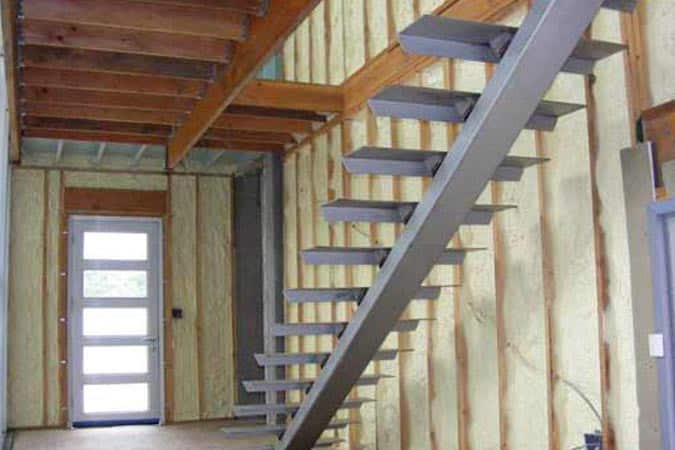
Things to Consider Before Making a Decision
Local Climate Conditions
Climate is a significant factor in determining the suitability of spray foam insulation. Closed-cell foam is especially beneficial in cold climates, offering superior thermal resistance and reducing the risk of condensation. In hot, humid regions, its moisture barrier properties can help prevent mold and mildew in walls and crawlspaces.
Home Design and Structure
Older homes or those with irregular framing may need extra preparation before spray foam application. Professionals must assess for moisture issues, wood rot, or wiring obstructions. Additionally, the structure’s airtightness should be verified to prevent indoor air quality problems from over-sealing.
Budget and Long-Term Value
Spray foam has higher upfront costs compared to other insulation types. However, the long-term benefits often justify the price, especially if you plan to remain in your home for several years. The combination of lower energy bills and fewer HVAC cycles can result in substantial cumulative savings.
Local Regulations and Building Codes
Some municipalities enforce strict rules for spray foam installations, such as the use of ignition barriers in attics or basements. You must ensure the contractor is familiar with local code requirements and that all safety measures are followed during installation.
Bonus Tip: Request a blower door test before and after installation to confirm the improvement in air sealing performance.
Installation Process
Spray foam must be installed by trained professionals using specialized equipment. The area should be clean, dry, and accessible. During application, two liquid components are combined on-site and sprayed into cavities, where the foam expands rapidly. After installation, the area must be ventilated for 24 to 48 hours to allow the foam to cure safely and fully.
Because of the chemical nature of the materials involved, it’s critical to follow safety guidelines. Professional crews wear protective suits and respirators during application. Homeowners should stay out of the area until curing is complete to avoid exposure to volatile organic compounds (VOCs).
Market Insights and Performance Data
According to the U.S. Department of Energy, homes lose about 25% to 30% of energy through air leaks and poorly insulated building envelopes. Spray foam addresses both issues by combining insulation and air sealing in one application. This dual-purpose capability is a key reason why spray foam installations are growing, with the North American market expected to surpass $2.5 billion by 2027.
Spray foam also contributes to better indoor comfort by reducing drafts, temperature fluctuations, and humidity. In net-zero energy homes, spray foam plays a critical role in achieving high performance standards.
Common Questions
Can I install spray foam myself?
DIY spray foam kits are available but pose significant risks due to chemical exposure and potential installation errors. Professional installation ensures proper curing, code compliance, and performance.
Will it improve soundproofing?
Open-cell foam is particularly effective for reducing airborne noise, making it suitable for walls between rooms, media spaces, or home offices.
Is spray foam insulation safe?
Once cured, spray foam is inert and stable. However, improper installation or insufficient ventilation during curing can lead to air quality concerns. Always use licensed, experienced installers.
How long does it last?
Properly installed spray foam can last 20 to 30 years or more without deterioration, maintaining its R-value and sealing capability over time.
Will it raise my home’s resale value?
Homes with energy-efficient features like spray foam often appeal to buyers, especially in regions with extreme temperatures or high utility costs. It can be a selling point if well documented.
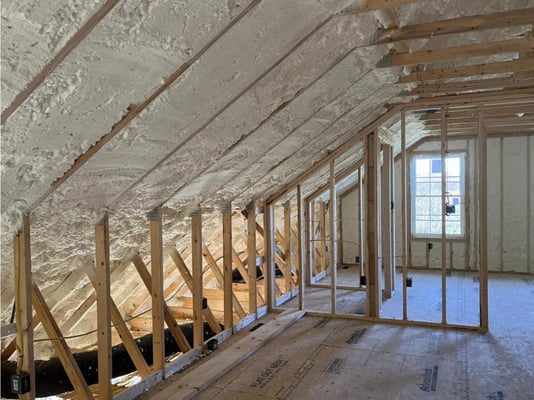
Spray Foam FAQ
Is spray foam safe for residential use?
Yes. When installed correctly and allowed to cure, spray foam is stable and safe for homes.
How does it help reduce energy bills?
By creating an airtight seal, it minimizes heat transfer and prevents drafts, reducing HVAC load.
Where is spray foam most effective?
Attics, basements, crawlspaces, and rim joists—areas prone to air leakage and moisture problems.
Is it suitable for retrofits?
Yes, though some modifications may be needed for access or moisture control in older homes.
Will it trap moisture inside walls?
Closed-cell foam resists moisture and helps prevent condensation, but proper ventilation and moisture assessment are essential before installation.
Make the Right Decision
Spray foam insulation provides superior thermal resistance, air sealing, and moisture control. For homeowners focused on energy efficiency, comfort, and long-term cost savings, it can be a smart investment. However, the decision should account for local climate, budget, home design, and how long you plan to stay in your house. Work with certified professionals and ensure all technical and safety standards are met. Doing so will help you maximize the benefits while avoiding common pitfalls of poor installation or product selection.
Author and Reviewer:
Author: Bob Gasca attended his first spray foam training in 2007 and has continued to pursue yearly training to stay current with the latest technology and practices. He is a certified Spray Foam Master Installer through the SPFA and a member of the SPFA. Additionally, Bob serves as a Spray Foam Worldwide Ambassador, sharing information with spray foam professionals globally. Recently, he returned from a building science training, where he expanded his knowledge on how weather conditions affect home performance, helping him better diagnose and improve home health for families. Bob specializes in finding solutions to complex moisture and air infiltration issues.
Reviewer: Noah Gonzalez reviewed this article and drew on 9 years of experience to offer suggestions that make the guidance more directly useful for insulation contractors.