
Signs You Need Emergency Dental Care Right Away
It’s late at night, and suddenly a sharp, relentless pain shoots through your jaw. Or maybe you’ve just taken a hard hit to the mouth during a weekend soccer game, and now a tooth feels loose or out of place. These moments can be confusing and scary. How do you know when a dental problem is just a minor annoyance and when it’s an emergency that demands immediate attention?
Dental emergencies aren’t always obvious. Sometimes, what seems like a small issue can quickly spiral into something far worse if ignored. Knowing the warning signs can save your teeth, prevent infection, and spare you from unnecessary pain.
Severe Tooth Pain That Won’t Quit
Everyone experiences a toothache now and then, but there’s a difference between mild discomfort and severe pain that signals trouble. When tooth pain is intense, persistent, and won’t subside with over-the-counter painkillers, it’s a red flag.
This kind of pain often means the nerve inside the tooth is irritated or infected. It could be caused by deep decay, an abscess, or trauma. Left untreated, the infection can spread, leading to swelling and even systemic illness.
What to Watch For
If your toothache is accompanied by swelling in the gums or face, fever, or a bad taste in your mouth, these are signs of an infection that requires urgent care. Don’t wait it out—delaying treatment can make the problem worse and more complicated to fix.
Additionally, you may notice increased sensitivity to hot or cold temperatures, which can indicate that the nerve is affected. This sensitivity might not only be uncomfortable but can also serve as a warning sign that a more serious issue is brewing beneath the surface. It’s important to keep track of these symptoms, as they can help your dentist diagnose the problem more effectively during your visit.
When Pain Strikes Suddenly
A sudden, sharp pain when biting down or touching a tooth often means a cracked or fractured tooth. This can expose the inner layers of the tooth to bacteria, leading to infection. Emergency dental care can often save the tooth if treated promptly.
In some cases, the pain may be accompanied by a visible crack or chip in the tooth, which can be alarming. However, even if no visible damage is apparent, the pain can still indicate underlying issues such as a hairline fracture. It’s crucial to seek professional help immediately, as ignoring these symptoms can result in the need for more extensive procedures like root canals or even tooth extraction. Remember, your oral health is interconnected with your overall well-being, and taking swift action can prevent further complications down the line. For trusted dental care, make sure to visit Indental Castle Hill for prompt and professional assistance.
Knocked-Out or Dislodged Teeth
Trauma to the mouth can cause teeth to be knocked out completely or pushed out of their normal position. This is a true dental emergency.
If a tooth is knocked out, time is critical. The chances of saving the tooth are highest if you see a dentist within 30 minutes to an hour. Handle the tooth carefully—avoid touching the root, rinse it gently if dirty, and try to place it back in the socket if possible. If not, keep it moist in milk or a tooth preservation kit. It’s essential to remember that the tooth’s vitality diminishes with each passing minute outside of the mouth, so swift action is paramount. In addition to the physical aspects, emotional support for the injured person can also be crucial, as the shock of losing a tooth can be distressing.
Dislodged Teeth Need Immediate Attention
Teeth that are loose or pushed sideways require prompt dental evaluation. The dentist can often reposition and stabilize the tooth, preventing long-term damage. This process typically involves a thorough examination, possibly accompanied by X-rays to assess the extent of the injury and the surrounding bone structure. Depending on the severity of the dislocation, the dentist may use splints to secure the tooth in its proper position while it heals. It’s important to follow post-treatment care instructions diligently, which may include avoiding certain foods and maintaining excellent oral hygiene to promote healing. Additionally, follow-up visits may be necessary to monitor the tooth’s stability and ensure that no further complications arise.
Uncontrolled Bleeding in the Mouth
Bleeding after dental work or an injury is common, but bleeding that won’t stop is a serious concern. If you have a cut inside your mouth or gum that continues to bleed heavily despite applying pressure for 10-15 minutes, seek emergency care.
Uncontrolled bleeding can indicate a deeper injury or blood clotting problem. It’s important to get professional help to prevent excessive blood loss and infection. In some cases, the bleeding may be a result of a punctured blood vessel or a more significant trauma that requires surgical intervention. Additionally, certain medical conditions, such as hemophilia or liver disease, can exacerbate bleeding issues, making it crucial to address any underlying health concerns with a healthcare provider.
Bleeding with Other Symptoms
If bleeding is accompanied by dizziness, weakness, or difficulty breathing, call emergency services immediately. These signs could suggest a more severe medical issue beyond dental trauma. Other symptoms to be aware of include swelling in the face or neck, which may indicate an allergic reaction or infection, and a rapid heartbeat, which could signal shock. It’s essential to monitor these symptoms closely, as they can provide critical information to medical professionals about the severity of the situation.
Moreover, if you notice blood in your saliva or if the bleeding persists despite home care measures, do not hesitate to seek help. The mouth is a complex area with numerous blood vessels, and even a small injury can lead to significant blood loss. Understanding the importance of prompt medical attention can make a difference in outcomes, especially in cases where the bleeding is linked to systemic health issues or complications from medications that affect clotting. Always err on the side of caution when it comes to your health and well-being.
Swelling That Spreads or Makes Breathing Difficult
Swelling in the face or mouth after an injury or infection can be dangerous. If the swelling spreads rapidly or causes difficulty swallowing or breathing, it’s a medical emergency.
Dental infections can sometimes spread to the neck and throat, blocking airways. Don’t underestimate the seriousness of facial swelling—immediate treatment can be life-saving. In some cases, the swelling may be accompanied by other symptoms such as fever, chills, or a general feeling of malaise, which can indicate a more systemic infection. Recognizing these additional signs can be crucial in assessing the severity of the situation and the need for prompt medical attention.
When to Act Fast
Even if swelling isn’t severe yet but is worsening quickly, don’t wait. Contact an emergency dentist or go to the emergency room. Early intervention can prevent complications. It’s important to be aware that certain underlying conditions, such as allergies or autoimmune disorders, can exacerbate swelling and lead to rapid deterioration. For instance, individuals with a history of severe allergic reactions may experience anaphylaxis, where swelling can obstruct the airway in a matter of minutes. Therefore, having a plan in place for such emergencies, including knowing where the nearest medical facilities are and keeping emergency contact numbers handy, can make a significant difference in outcomes.
Lost Fillings, Crowns, or Other Dental Work
While a lost filling or crown may not seem like an emergency, it can quickly become one if left untreated. Exposed tooth surfaces are vulnerable to decay and sensitivity.
If the lost dental work causes pain, sharp edges that cut your tongue or cheek, or affects your ability to eat or speak, you should seek emergency dental care.
Temporary Solutions and When to See a Dentist
In the meantime, you can use dental cement available at pharmacies to temporarily cover exposed areas. Avoid chewing on the affected side and keep the area clean until you can see a dentist.
Signs of Abscess or Infection
An abscess is a pocket of pus caused by a bacterial infection. It can develop at the root of a tooth or in the gums and is a serious condition.
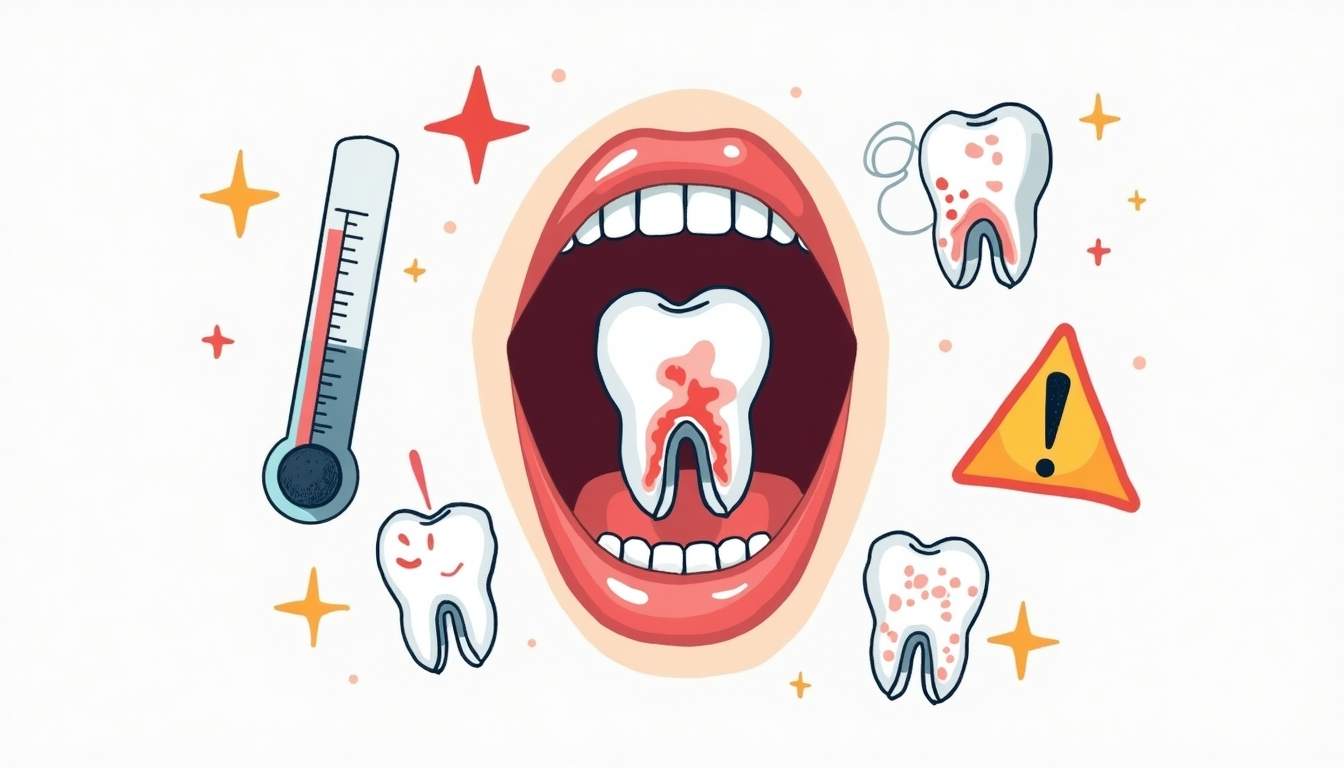
Symptoms include severe, throbbing pain, swelling, fever, and a bad taste or odor in the mouth. Sometimes, a pimple-like bump may appear on the gums, which can burst and drain pus.
Why Abscesses Require Emergency Care
If left untreated, the infection can spread to other parts of the body, including the jaw, neck, or even the brain. Emergency dental treatment typically involves draining the abscess and prescribing antibiotics.
Difficulty Opening Your Mouth or Severe Jaw Pain
Sometimes dental emergencies aren’t just about teeth. Severe jaw pain or difficulty opening your mouth (trismus) can indicate an underlying infection or injury.
This can result from infections spreading from the teeth or trauma to the jaw joint. It can affect eating, speaking, and breathing if severe.
Don’t Ignore Jaw Pain
If you experience sudden or worsening jaw pain, especially with swelling or fever, seek emergency dental evaluation. Early diagnosis can prevent complications and relieve pain.
When in Doubt, Don’t Wait
Dental emergencies can be frightening, but quick action often makes a huge difference. If you’re unsure whether your situation is an emergency, it’s better to err on the side of caution and contact an emergency dentist.
Many dental offices offer after-hours emergency services or can direct you to the nearest urgent care. Waiting too long can mean more pain, more complicated treatments, and sometimes permanent damage.
Preparing for Dental Emergencies
Keep your dentist’s emergency contact information handy. Having a small dental emergency kit with gauze, a small container, and over-the-counter pain medication can also help you manage until you get professional care.
Remember, your teeth and mouth are an important part of your overall health. Taking dental emergencies seriously can save you from unnecessary suffering and protect your smile for years to come.