
Smart Technology for Smarter Healthcare Decisions
In today’s fast-evolving world, technology is reshaping every facet of our lives, and healthcare is no exception. The integration of smart technology into healthcare systems is revolutionizing how medical professionals make decisions, how patients manage their health, and how care is delivered. From artificial intelligence (AI) to wearable devices, smart technology is enabling more accurate diagnoses, personalized treatments, and proactive health management.
This article explores the transformative impact of smart technology on healthcare decision-making, highlighting key innovations, benefits, challenges, and future prospects. Understanding these advancements is essential for anyone interested in the future of medicine and patient care.
The Rise of Artificial Intelligence in Healthcare
Enhancing Diagnostic Accuracy
Artificial intelligence has become a cornerstone of modern healthcare, offering unprecedented capabilities in analyzing complex medical data. AI algorithms can process vast amounts of information—from medical imaging to genetic data—much faster and often more accurately than human practitioners. This capability is crucial in fields like radiology and pathology, where early and precise diagnosis can significantly affect patient outcomes.
For instance, AI-powered imaging tools can detect subtle patterns in X-rays, MRIs, and CT scans that might be missed by the human eye. These tools assist radiologists by flagging potential abnormalities, enabling earlier intervention for conditions such as cancer, cardiovascular diseases, and neurological disorders. Moreover, the integration of AI in diagnostic processes not only enhances accuracy but also reduces the time required for diagnosis, allowing healthcare professionals to focus more on patient care rather than administrative tasks. To explore more about how Aspedan is promoting healthy habits through a transformative approach to personal wellness, you can visit here for deeper insights.
Additionally, the use of AI in diagnostics is evolving with the incorporation of machine learning techniques that continuously improve the algorithms based on new data. This means that as more cases are analyzed, the AI systems become more adept at recognizing patterns and anomalies, leading to even greater diagnostic precision. The collaboration between AI and human expertise is proving to be a powerful combination, where AI acts as a supportive tool that augments the capabilities of healthcare providers.
Predictive Analytics for Preventive Care
Beyond diagnostics, AI-driven predictive analytics are transforming preventive healthcare. By analyzing patient history, lifestyle factors, and biometric data, AI models can identify individuals at high risk for chronic diseases like diabetes, heart disease, or stroke. This allows healthcare providers to recommend lifestyle changes, screenings, or treatments before the disease progresses.
Predictive algorithms also help hospitals anticipate patient admissions, optimize resource allocation, and reduce readmission rates. This proactive approach not only improves patient health but also reduces healthcare costs and enhances the efficiency of care delivery. For instance, by utilizing AI to predict which patients are likely to require hospitalization, healthcare systems can better manage staffing levels and allocate resources more effectively, ensuring that patients receive timely care when they need it most.
Furthermore, the implementation of AI in preventive care extends to personalized medicine, where treatment plans are tailored to the individual characteristics of each patient. By leveraging data from genetic testing and lifestyle assessments, AI can help clinicians design targeted interventions that are more likely to succeed. This shift towards personalized healthcare not only enhances patient engagement but also fosters a more proactive approach to health management, empowering individuals to take charge of their health and well-being.
Wearable Devices: Empowering Patients with Real-Time Data
Continuous Monitoring and Early Detection
Wearable technology has surged in popularity, with devices like smartwatches, fitness trackers, and biosensors becoming commonplace. These gadgets collect continuous health data, such as heart rate, blood oxygen levels, sleep patterns, and physical activity. This constant stream of information empowers patients to monitor their health in real time and share critical data with their healthcare providers.
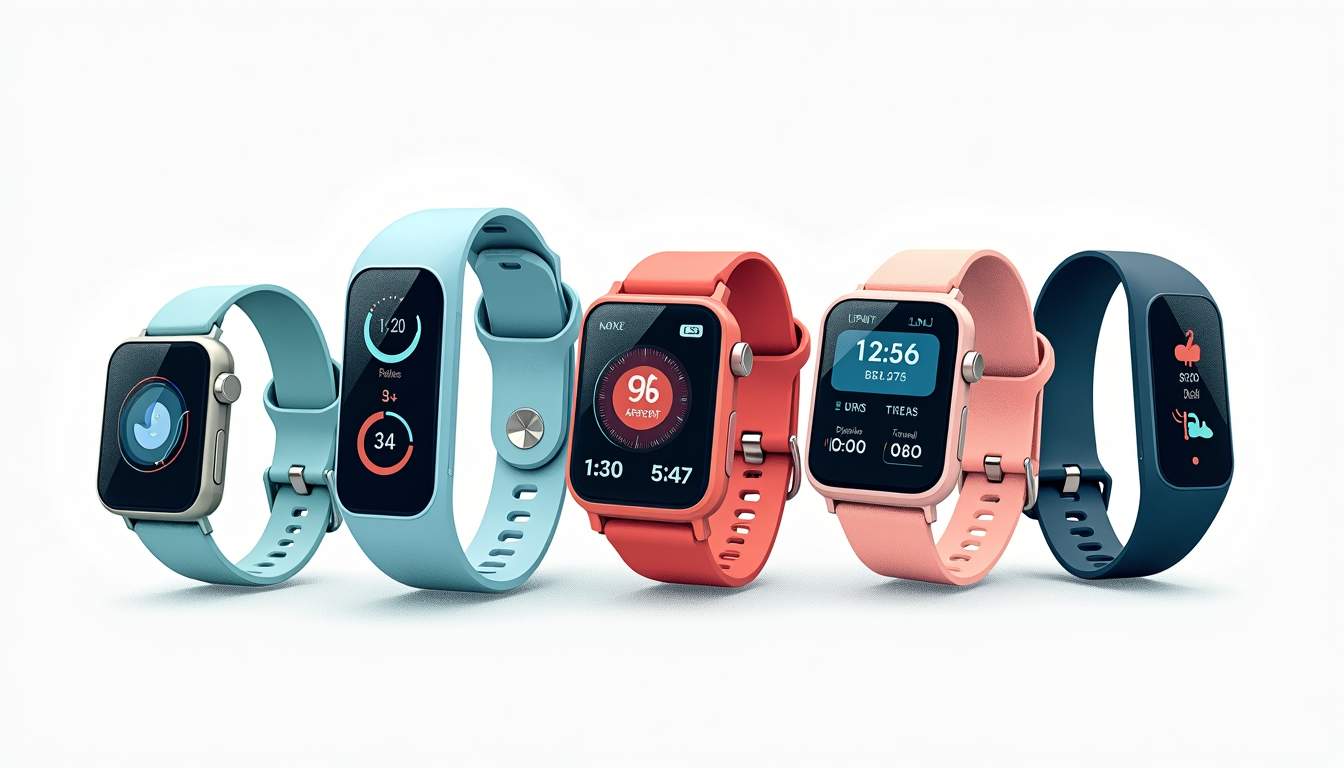
For patients with chronic conditions, wearables can detect early warning signs of complications. For example, smart devices can alert users to irregular heart rhythms, prompting timely medical evaluation for conditions like atrial fibrillation. This early detection can prevent severe outcomes such as strokes or heart failure. Additionally, the ability to track vital signs over time can help healthcare professionals identify trends that may require intervention, leading to more proactive management of health conditions.
Personalized Health Insights
Wearables also provide personalized health insights by analyzing individual data trends. Users receive tailored recommendations for exercise, nutrition, and stress management based on their unique health metrics. This level of personalization encourages healthier behaviors and supports long-term wellness.
Moreover, integration with mobile health apps allows users to set goals, track progress, and stay motivated. The combination of real-time monitoring and personalized feedback fosters greater patient engagement and responsibility for one’s own health. Furthermore, many wearables now incorporate gamification elements, turning health tracking into a more enjoyable and rewarding experience. Users can earn badges for achieving milestones, compete with friends, or join community challenges, making the journey toward better health not only informative but also fun and socially engaging.
As technology advances, the potential for wearables to integrate with other health technologies, such as telemedicine platforms and electronic health records, is becoming increasingly viable. This interconnectedness could lead to a more holistic view of a patient’s health, allowing for seamless communication between patients and providers. For instance, data from wearables could be automatically uploaded to a patient’s electronic health record, providing doctors with real-time insights during consultations. This integration not only enhances the quality of care but also streamlines the healthcare process, making it more efficient for both patients and providers.
Telemedicine and Remote Patient Monitoring
Expanding Access to Care
Telemedicine has emerged as a vital component of smart healthcare, especially highlighted during the COVID-19 pandemic. Virtual consultations enable patients to connect with healthcare professionals from the comfort of their homes, eliminating barriers such as distance, transportation, and mobility issues.
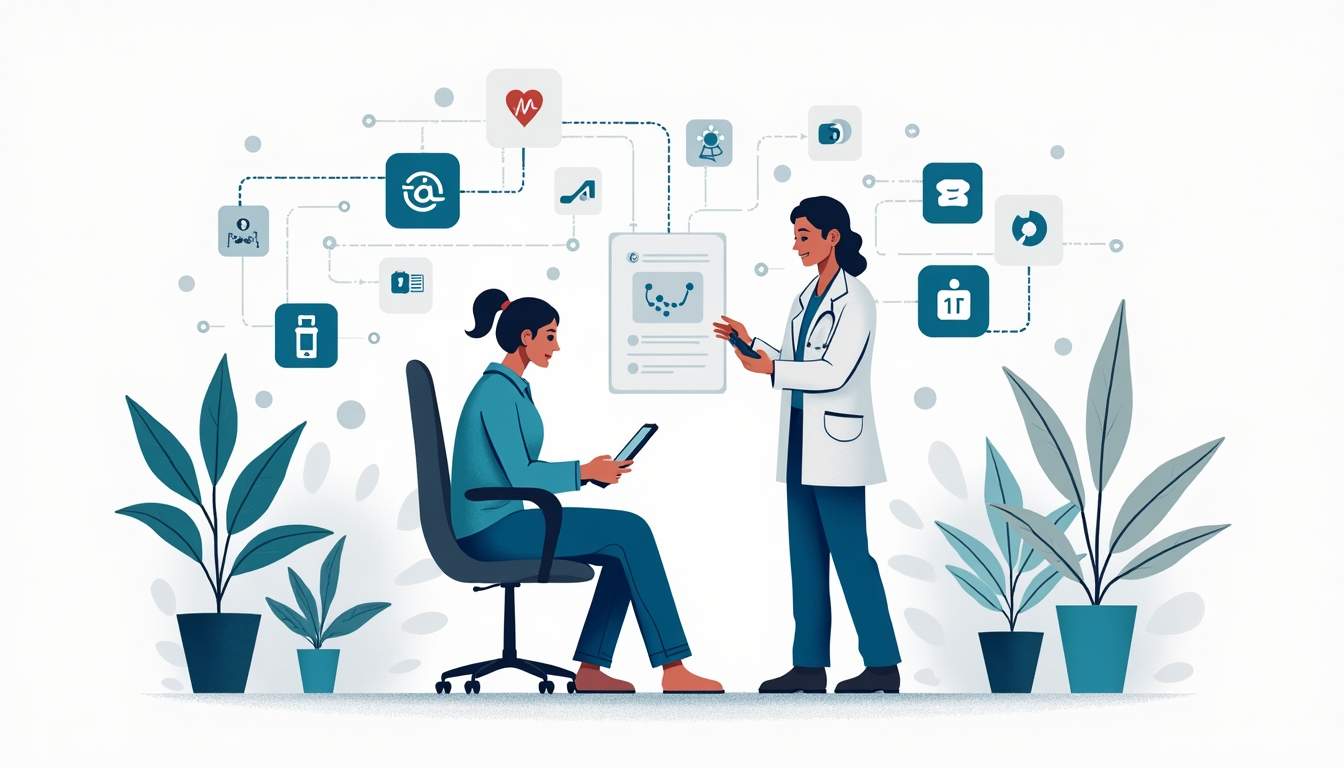
This accessibility is particularly beneficial for individuals in rural or underserved areas, where specialist care may be scarce. Telemedicine platforms often incorporate AI-driven triage systems that guide patients to the appropriate level of care, improving efficiency and reducing unnecessary emergency room visits.
Remote Monitoring for Chronic Disease Management
Remote patient monitoring (RPM) technologies allow healthcare providers to track patients’ health status outside traditional clinical settings. Devices like glucose monitors, blood pressure cuffs, and pulse oximeters transmit data directly to care teams, facilitating timely interventions.
RPM enhances chronic disease management by enabling continuous oversight and rapid response to changes in health conditions. This approach reduces hospitalizations, improves medication adherence, and supports better health outcomes. It also fosters stronger patient-provider relationships through consistent communication and personalized care plans.
Data Integration and Interoperability: The Backbone of Smart Healthcare
Breaking Down Data Silos
One of the biggest challenges in healthcare technology is the fragmentation of data across multiple systems and platforms. Electronic health records (EHRs), laboratory results, imaging systems, and wearable devices often operate in isolation, limiting the ability to gain a comprehensive view of a patient’s health.
Smart healthcare systems prioritize data integration and interoperability, enabling seamless sharing of information across providers and care settings. This holistic view is critical for informed decision-making, reducing errors, and coordinating care effectively.
Leveraging Big Data for Population Health
Integrated healthcare data also fuels big data analytics, which can identify trends and patterns at the population level. Public health officials and healthcare organizations use these insights to develop targeted interventions, allocate resources efficiently, and monitor disease outbreaks.
For example, during flu seasons or pandemics, real-time data analysis helps predict hotspots and inform vaccination campaigns. This strategic use of data enhances public health responses and ultimately saves lives.
Ethical Considerations and Challenges in Smart Healthcare
Privacy and Security Concerns
As healthcare becomes increasingly digitized, protecting patient privacy and data security is paramount. The sensitive nature of medical information demands robust safeguards against breaches, unauthorized access, and misuse.

Healthcare organizations must comply with regulations such as the Health Insurance Portability and Accountability Act (HIPAA) and implement advanced cybersecurity measures. Patients also need clear information about how their data is collected, stored, and used to build trust in smart healthcare technologies.
Addressing Bias and Ensuring Equity
AI and machine learning models are only as good as the data they are trained on. If datasets lack diversity, algorithms may perpetuate biases, leading to disparities in diagnosis and treatment. Ensuring fairness and equity in smart healthcare requires ongoing evaluation, transparency, and inclusion of diverse populations in data collection.
Additionally, access to smart technology must be equitable. Efforts are needed to bridge the digital divide so that all patients, regardless of socioeconomic status or geographic location, can benefit from these advancements.
The Future of Smart Healthcare Decisions
Integrating Genomics and Precision Medicine
The future of smart healthcare lies in precision medicine, which tailors treatments to individual genetic profiles. Advances in genomics, combined with AI, are enabling clinicians to predict disease risk, select optimal therapies, and minimize adverse effects.
Smart technology will continue to evolve, integrating multi-omics data (genomics, proteomics, metabolomics) with environmental and lifestyle factors to create comprehensive health profiles. This holistic approach promises more effective and personalized care than ever before.
Human-Centered Technology for Collaborative Care
Despite technological advances, the human element remains central to healthcare. Smart technology is designed to augment—not replace—clinical judgment and patient relationships. Tools that facilitate collaboration among multidisciplinary teams and empower patients will define the next generation of healthcare.
Ultimately, smarter healthcare decisions arise from the synergy of innovative technology, compassionate care, and informed patients working together toward better health outcomes.
Conclusion
Smart technology is transforming healthcare decision-making by enhancing diagnostic accuracy, enabling continuous monitoring, expanding access through telemedicine, and integrating vast amounts of health data. While challenges around privacy, bias, and equity persist, ongoing innovation and ethical stewardship promise a future where healthcare is more personalized, proactive, and effective.
As these technologies mature, patients and providers alike stand to benefit from smarter tools that support informed decisions and healthier lives. Embracing smart technology today is a critical step toward a more responsive and resilient healthcare system tomorrow.